Evaluating Gingerbread Bear SVG for Real Embroidery Projects
When a new design lands in my digital library, my first question isn't “is it cute?”—it's “will it stitch well?” This is the professional lens I’m applying to the Gingerbread Bear SVG. As a designer and reviewer, I look at files not as static graphics, but as blueprints for tactile, thread-based art. Let’s walk through what this design offers for real-world embroidery work.
The Warm, Sweet First Impression
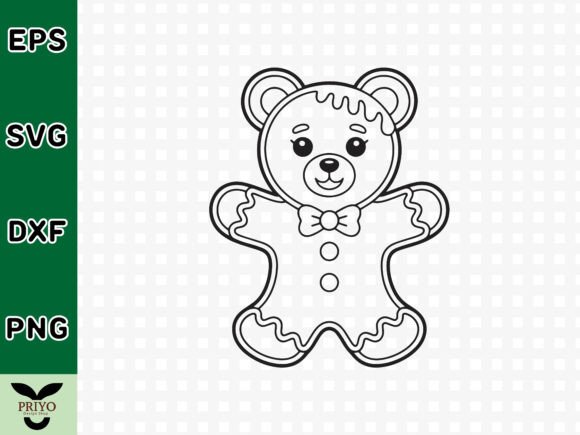
The Gingerbread Bear SVG immediately evokes a feeling of cozy, festive charm. It’s not just a bear; it’s a character. The shape is soft and inviting, with a layout that feels balanced and ready for a hoop. The detail level appears thoughtful—likely designed to translate into distinct areas for stitching, rather than a mass of tiny, problematic lines. This visual personality suggests it belongs to projects meant to spark joy: holiday gifts, nursery decor, or personalized kitchen items. It feels inherently giftable.
Where This Design Finds Its Natural Home
Thinking through my upcoming projects, I can see this embroidery file shining in several key areas. For a custom apparel piece, like a child’s sweatshirt or a family holiday apron, it would be a delightful focal point. Its theme makes it perfect for baby embroidery on a blanket or a keepsake bib. As an embroidered patch, it could add a handmade touch to a tote bag or cap, ideal for craft fair products or small shop merchandise. The illustrative style also lends itself well to pillow covers and tea towels, turning everyday items into seasonal décor.
For Etsy sellers and creative entrepreneurs, this design offers strong potential for finished product value. A well-embroidered Gingerbread Bear on a high-quality item elevates the perceived craftsmanship, building customer trust and enhancing handmade presentation. It’s a design that tells a story, which is a powerful tool for buyer engagement in online listings or printable mockups.
Navigating the Practical Stitching Landscape
Now, for the realistic assessment. Every design has its ideal applications and its careful-use scenarios. The Gingerbread Bear SVG, with its presumably illustrative outlines and fills, will perform beautifully on stable, medium-weight fabrics like cotton twill for tote bags or quilting cotton for pillow covers. On a sweatshirt, using a proper stabilizer is crucial to prevent distortion on that stretchy fabric.
I would be cautious with very small hoop sizes. If the design has intricate cookie detailing or tiny decorative accents, shrinking it down too much might compromise stitching clarity. Dark fabric backgrounds require careful thread color contrast planning—a gingerbread bear on a black sweatshirt needs bright, warm whites and browns to pop. Embroidering on curved surfaces like caps demands attention to how those detailed corners will lay.
For products needing frequent washing, like kitchen towels or baby clothes, I’d test the stitch density. Overly dense fill areas might become stiff and uncomfortable. The key is to find the balance where the design remains visually appealing and durable.
Professional Notes for Your Embroidery Project
Before you commit this design to a client project or a batch of small shop products, here are my standard practice steps.
- Test on scrap fabric first. Use the same material and stabilizer you plan for the final product. This reveals how the machine embroidery design truly behaves.
- Check it in black and white. Viewing the design as a simple silhouette helps you assess its core shape and layout without color distractions.
- Compare light and dark backgrounds. Even if you intend to use it on light fabric, seeing it on a dark mockup informs your understanding of its versatility.
- Inspect the small details. Are there any extremely thin lines or minuscule elements that might merge into a blob of thread? This is critical for maintaining professionalism.
- Confirm the licensing. The product category is Illustrations and the type is Graphics. For commercial embroidery and selling finished items, you must verify the specific license terms provided by the seller to ensure your use is permitted.
A design like this is more than a digital asset; it’s a partner in your creative process. When stitched with care, the Gingerbread Bear SVG can become a symbol of warmth and craftsmanship on your personalized gifts or commercial embroidery projects. It supports brand consistency for a boutique focused on whimsical, handmade goods, and its recognition factor is high—people instantly understand its cheerful theme.
The Final Verdict: A Design Built for Makers
From my point of view, the Gingerbread Bear SVG holds substantial promise for makers across the spectrum—from hobbyists creating a special holiday gift to apparel decorators running a small business. Its strength lies in its emotive theme and likely well-structured graphics, which should translate into clean, attractive stitching. Its application is broad, but success hinges on mindful execution: choosing the right fabric, hoop, and thread, and always doing that preliminary test stitch.
By approaching it not just as a graphic but as a recipe for a finished product, you unlock its real value. It invites you to create something tactile and meaningful, something that carries the personality of your craft into the world. That’s the ultimate test for any embroidery design, and this one seems ready to pass.